NEW CUSTOMERS: 15% OFF WITH CODE SMD15 · FREE SHIPPING ON ORDERS $99+


Beginner’s Guide to Scale Model Collecting: What You Need to Know Before You Start

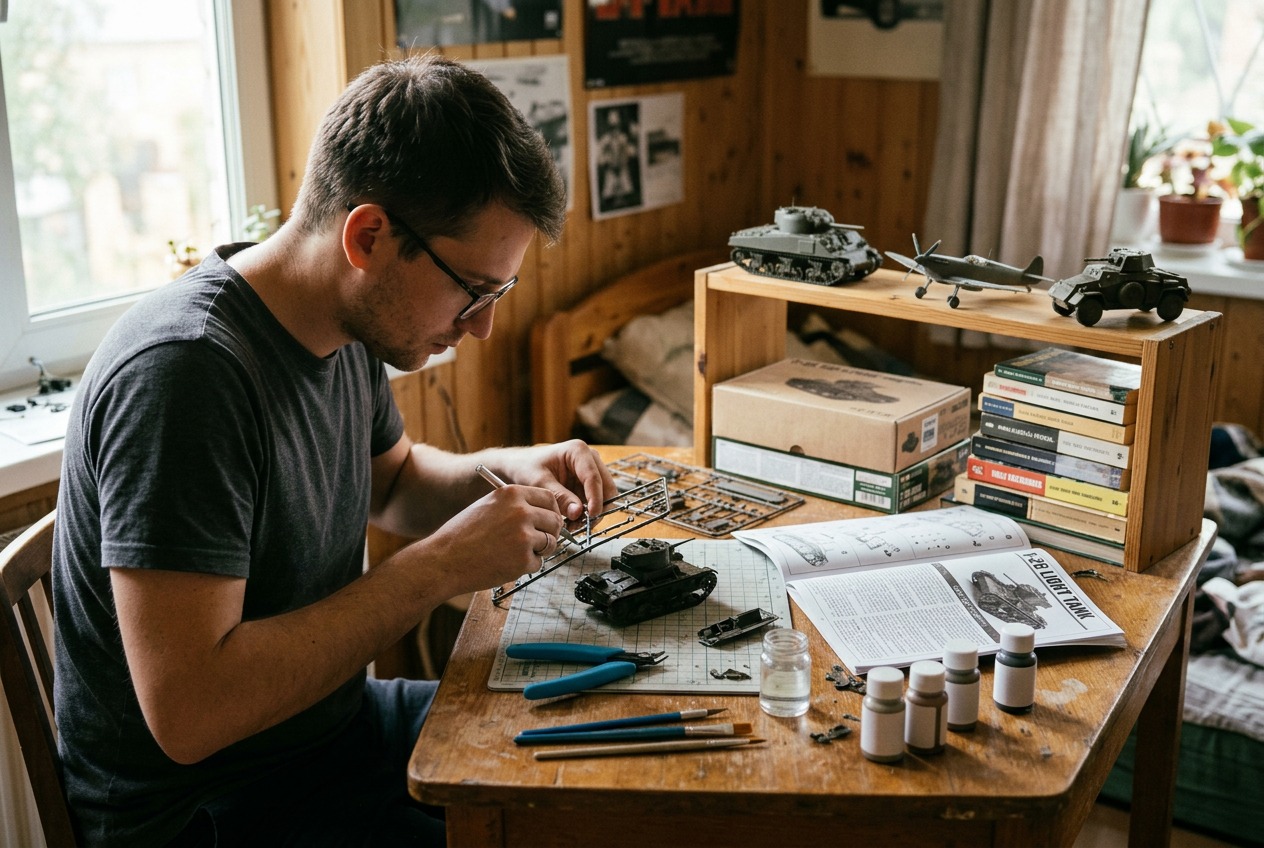
Starting a scale model collection can feel overwhelming at first, especially with so many scales, types, and kits available. The good news is that you don’t need expensive tools or deep experience to begin. With a simple approach, anyone can enjoy this hobby and gradually build a meaningful collection through Scale Model Depot or other model sources.
This guide covers the essential things you should know before starting.
1. What Is Scale Model Collecting?
Scale model collecting is the hobby of building and displaying miniature replicas of real-world vehicles, including tanks, aircraft, cars, ships, and more.
Most models are built to a specific scale, such as:
- 1:72 (small and compact)
- 1:48 (medium detail and size)
- 1:35 (larger, highly detailed military models)
The goal is not just building, but also displaying and preserving them as part of a collection.
2. Choosing Your First Type of Model
There is no “correct” starting point, but beginners usually choose based on interest:
Tanks / Military Models
- Strong historical appeal
- Very popular among collectors
- Often more detailed but slightly complex
Aircraft Models
- Wide variety of designs and eras
- Good balance of size and detail
- Can be displayed hanging or on stands
Car Models
- Visually clean and easy to relate to
- Great for beginners
- Often simpler assembly compared to military kits
Start with what you enjoy visually—this is more important than difficulty level.
3. Understanding Scale and Difficulty
Scale affects both size and complexity.
- Smaller scales (1:72): easier to store, less detail
- Medium scales (1:48): balanced choice for most beginners
- Larger scales (1:35): more detail, more time required
Many kits also come with difficulty ratings. Beginners should avoid highly complex multi-part kits at the start to avoid frustration.
4. Basic Tools You Actually Need
You don’t need a professional workshop to begin. A simple starter kit is enough:
- Plastic glue
- Hobby knife or cutter
- Small paint brushes
- Tweezers
- Basic sanding tool
Optional but helpful:
- Cutting mat
- Basic paint set
Start simple—tools can be upgraded later as your skills improve.
5. Common Beginner Mistakes to Avoid
Many new collectors make the same mistakes:
- Buying overly complex kits too early
- Ignoring scale compatibility
- Rushing assembly without dry fitting parts
- Over-investing in tools before learning basics
It’s better to finish a simple model well than to abandon a complex one halfway.
6. Where to Start Your Collection
Beginners often start with 1–2 models to learn the process before expanding.
A good starting strategy:
- Pick one subject type (tank, aircraft, or car)
- Choose one medium-difficulty kit
- Focus on completing it rather than collecting many at once
Once you finish your first model, you’ll understand the workflow much better.
7. Displaying Your First Models
Even a small collection can look impressive if displayed properly.
- Use a simple shelf or desk space
- Avoid direct sunlight
- Keep models away from dust-heavy areas
- Leave space between models for visual clarity
You don’t need a professional cabinet at the beginning—just a clean, stable space.
Final Thoughts
Scale model collecting is a hobby that grows with you. You don’t need perfect skills or expensive tools to start—just curiosity and patience.
Once you complete your first model, you’ll naturally understand what direction you want your collection to take. Over time, your shelf becomes not just a display, but a reflection of your interests and progress as a builder.
If you’re looking to begin your collection, Scale Model Depot can be a starting point for exploring different kits and categories.
 Warships
 Armor & Vehicles
 Missiles & Strategic Weapons
 Wide-body Airliners
 Narrow-body Airliners
 Regional & Business Jets
 Space Stations
 Manned Spacecraft
 Rockets & Launch Vehicles
 Satellites & Space Probes